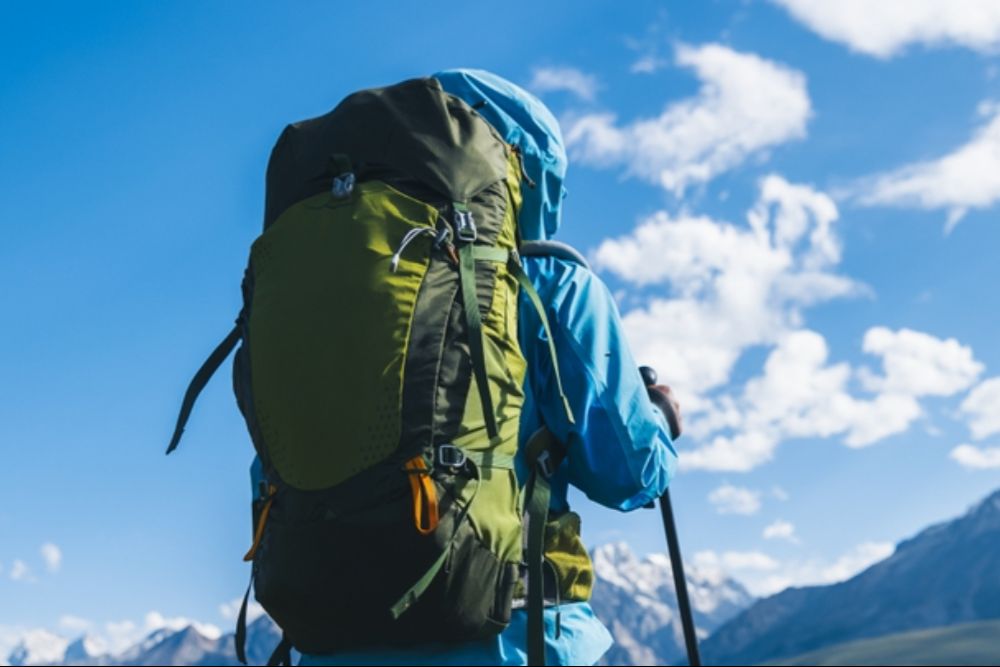
A reliable trail backpack can completely change your hiking experience. It keeps your essentials organized, balances weight properly, and provides comfort during long outdoor treks. But high-quality backpacks can be expensive, especially when you’re shopping for durable materials, supportive frames, and weather-resistant features. Fortunately, you don’t have to overspend to find a backpack that performs well on any trail. With smart shopping strategies and an understanding of what features truly matter, you can invest in a great pack without straining your budget.
The key to saving money isn’t finding the cheapest bag—it’s finding the right bag at the right price. Many hikers waste money on trendy models, oversized bags, or unnecessary features they rarely use. Others overspend on premium brands when mid-range backpacks offer similar durability at a fraction of the price. By understanding what you actually need for your hiking style, you can make smarter buying decisions and stretch your outdoor gear budget much further.
Here’s how to save money on backpacks that can handle any trail, from casual day hikes to multi-day adventures.
Know Your Hiking Style Before You Shop
The most expensive backpack is the wrong backpack. Before buying anything, think about the type of hiking you actually do and how often you do it. This helps you avoid paying for features you’ll rarely use.
Ask yourself:
-
Do you mostly take 1–3 hour trails?
-
Do you hike only on weekends or every day?
-
Do you need space for kids’ items or pet gear?
-
Do you go on overnight or multi-day hikes?
-
Do you hike in cold, hot, or rainy environments?
For example:
-
A casual day hiker may only need a 15–25L backpack.
-
A parent hiking with kids may need 25–35L for snacks, clothes, and extras.
-
A backpacker doing overnight hikes may need 40–60L or more.
Understanding your needs prevents unnecessary upgrades later—and keeps you from buying a pack that’s more expensive than your hiking requires.
Avoid Overpaying for Brand Prestige
Outdoor brands are known for high prices, but many mid-range and smaller brands use the same quality materials, stitching, and support systems. While premium backpacks are excellent, they aren’t always necessary—especially for beginner or casual hikers.
You’re paying extra for:
-
Brand name recognition
-
Marketing
-
Specialty designs you may never use
-
Aesthetic appeal rather than functional improvements
Instead of focusing on the logo, focus on:
-
Fabric durability
-
Breathable back support
-
Adjustable straps
-
Weight distribution
-
Zipper quality
-
Frame comfort
A reasonably priced backpack with strong materials and good ergonomics can perform just as well as a top-tier brand on most trails.
Shop End-of-Season Sales for Huge Savings
Outdoor gear follows seasonal cycles. Prices surge when hiking season begins and drop dramatically when stores clear out inventory. If you’re not in a rush, the best time to buy backpacks is during these low-demand periods.
You’ll find better deals:
-
At the end of spring and summer for hiking packs
-
During back-to-school sales for daypacks
-
During Black Friday or mid-year sales
-
After holiday clearance events
Waiting for these seasonal drops can easily cut the price of a high-quality backpack by 20–60%.
Compare Prices Across Outdoor Stores and Online Marketplaces
The same backpack can have dramatically different prices depending on where you buy it. Outdoor retailers, sports stores, warehouse clubs, and online shops often run different promotions.
Before committing to a purchase:
-
Compare prices on at least 3–5 sites
-
Check outlet sections
-
Look for limited-time markdowns
-
Search for open-box or returned items
Even small price differences add up when you’re buying higher-end gear.
Choose Backpacks With Practical, Not Flashy, Features
Some backpacks come loaded with niche add-ons that make the bag look premium but add little functional value. These extras increase the cost without improving your hiking experience.
Avoid unnecessary features like:
-
Excessive pockets you won’t use
-
Built-in speakers or tech compartments
-
Overly complicated external straps
-
Heavy decorative elements
-
Oversized compartments for gear you don’t use
Instead, look for simple, functional features that matter most on trails:
-
Breathable mesh back panel
-
Adjustable chest and hip straps
-
Lightweight but durable materials
-
Water-resistant coating
-
Good pocket placement
ADVERTISEMENT -
Hydration bladder compatibility
-
Reinforced stitching in stress areas
A simple, well-designed pack will outlast a flashy but impractical one.
Consider Buying Lightly Used Gear From Trusted Sources
Many hikers upgrade equipment frequently, which means there’s a strong market for high-quality used backpacks. Some secondhand backpacks are nearly new because their owners only used them once or twice.
Great places to check include:
-
Outdoor gear exchange groups
-
Resale apps
-
Community marketplaces
-
Local hiking groups
-
Store trade-in programs
Just be sure to inspect for:
-
Clean interior and exterior
-
Strong zippers
-
Tight stitching
-
No mold or odor from poor storage
-
No tears along the seams
-
Functional clasps and buckles
Used gear can save you 30–70% compared to brand-new items.
Pick the Right Size to Avoid Paying for Unused Space
Bigger backpacks cost more—and they’re not always better. Many hikers overspend on large-capacity bags thinking they need the extra room, only to end up carrying more weight than necessary.
Choosing the right size helps you:
-
Save money upfront
-
Prevent overpacking
-
Improve comfort on the trail
-
Maintain balanced weight distribution
General size guide:
-
10–20L: Short hikes, water, snacks
-
20–30L: Day hikes with kids or extra gear
-
30–45L: Full-day hikes or minimal overnight trips
-
50L+: Multi-day backpacking
If you mostly take day hikes, a massive pack is unnecessary.
Don’t Ignore Comfort—It Reduces Long-Term Costs
A cheap backpack that hurts your shoulders or causes back strain isn’t a bargain. Many hikers eventually replace uncomfortable packs, which ends up costing more in the long run.
Always check for:
-
Padded shoulder straps
-
Adjustable torso length
-
Hip belt support
-
Breathable back padding
-
Even weight distribution
Comfortable packs last longer because you’ll actually want to use them.
Take Advantage of Store Guarantees, Repairs, and Warranties
Some stores and brands offer repair services, replacement guarantees, or extended warranties. These can significantly reduce the long-term cost of owning a trail backpack.
Useful protections may include:
-
Free or discounted repairs
-
Replacement buckles or straps
-
Lifetime guarantees for defects
-
In-store credit if the pack fails early
A backpack that lasts longer saves you money automatically.
Pack Smart to Avoid Buying a Bigger Backpack
You may not need a new backpack at all—you may just need to pack more efficiently. Smart packing habits can make your current bag feel bigger and more organized.
Try:
-
Compression bags
-
Rolling clothes tightly
-
Using lightweight gear
-
Keeping only trail essentials
-
Eliminating bulky or duplicate items
You’d be surprised how much space you free up with better packing methods, reducing the need for a larger, more expensive pack.
A backpack that can handle any trail doesn’t have to come with a high price tag. With thoughtful shopping strategies—like buying during off-season sales, choosing mid-range brands, looking for used gear, comparing prices, and focusing on essential features—you can find a durable, comfortable, long-lasting trail backpack without overspending.
What matters most is choosing a pack that matches your hiking style, fits your body well, and offers the durability and comfort needed for your favorite trails. When you prioritize practical features and smart budgeting over brand prestige, you can enjoy the outdoors fully while keeping your costs low.